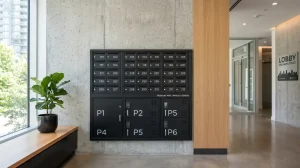
 Nobody tours an apartment building and judges it by the unit alone. They walk in through the entry, ride the elevator or take the stairs, pass the mailboxes, and walk down a hallway. By the time they reach the door, they already have an opinion.
That’s why common areas are the first thing property managers hear about. A stained hallway runner or a lobby that smells off gets noticed by every resident, every day.
Why Common Areas Wear Out Faster Than You’d Expect
A single apartment sees one household’s traffic. A hallway sees every household, plus guests, deliveries, move-ins, and move-outs. The floor inside the front entrance and the carpet by the elevator take the most of it.
Winter makes it worse. Snow melts off boots and turns into water on the entry floor. Sand, salt, and ice melt get tracked in with it. Once that residue dries, it builds up on the floor and works its way from the entry into the hallways, where it can leave a film that makes floors slick.
Start at the Door
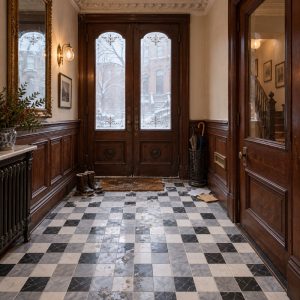 The cheapest way to keep a building clean is to stop dirt before it comes in. Most entryways work best with three stages of matting: an outdoor scraper mat for heavy soil and ice melt, a scraper/wiper mat in the vestibule, and an interior wiper mat to pick up whatever is left. The outside mat should be anchored firmly so it doesn’t shift when the weather is wet.
Mats only work if somebody maintains them. A mat full of grit and meltwater just moves the problem around. During winter the entry may need attention more than once a day, so build that into the schedule from the start. The vestibule floor is also where hard floor, tile, and grout cleaning pays off, because salt residue settles into grout lines where a mop doesn’t reach.
What Gets Touched Every Day
The CDC’s guidance for community facilities, such as offices, gyms, and community centers, recommends cleaning high-touch surfaces regularly and cleaning other surfaces when they look dirty. High-touch surfaces are the ones people touch often. For an apartment building, that means entry door handles, intercom panels, elevator buttons, stair rails, mailbox areas, and laundry room surfaces belong on a daily or near-daily list. Those are our recommended examples, not a complete CDC list.
The same guidance says cleaning with soap or detergent removes most types of harmful germs from surfaces. Disinfecting is a separate step that kills germs left behind after cleaning. So a good plan isn’t disinfecting everything every night. It’s cleaning thoroughly and knowing when disinfection is the right second step. We cover that difference in our article on cleaning versus disinfecting.
A Reference Schedule for Hallways and Lobbies
There’s no single schedule that fits every building. It depends on unit count, traffic, and which amenities you have. For a starting point, the University of Houston publishes a custodial frequency standard for hallways and lobbies. It was written for a campus, not an apartment building, but the structure carries over well:
- Daily: empty trash and replace liners, sweep or dust mop floors, clean the elevator
- Weekly: wet mop hard floors, vacuum carpet
- Monthly: dust flat surfaces
- Quarterly: scrub and recoat floors or carpet
- Twice a year: strip and refinish hard floors
A building with heavier traffic or a long winter will probably need the entry and elevator cleaned more often than that. A smaller building may do fine with less. The important part is writing the plan down by area and frequency instead of leaving it at “clean the common areas.”
Carpet in the Hallways
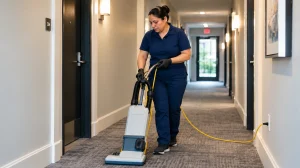 Hallway carpet takes the same path every day, so it wears in lanes and shows dirt first near the doors. Regular vacuuming matters more than most people think, because grit is what wears down the fibers. When the carpet needs more than vacuuming, commercial carpet cleaning using a low-moisture method gets hallways usable sooner, which matters when residents walk on them all day.
Who Handles What
Before hiring anyone, decide which tasks belong to the cleaning contract and which stay with maintenance or residents. Trash chutes, dumpster areas, pet waste stations, exterior walks, and snow removal often fall to someone else. Cleaning the lobby, hallways, stairwells, elevators, mail area, laundry room, fitness room, and common restrooms usually belongs in the scope.
Get that division in writing. Gaps between contractors are where complaints start. A clear proposal lists each area, how often it’s cleaned, and what’s included.
What to Ask When Choosing a Cleaner
- Which areas are in the scope, and how often is each one done?
- How is winter entry cleaning handled, and what happens on heavy snow days?
- When are crews in the building, and how do they work around residents?
- How are keys and building access handled?
- Who do we contact when something is missed?
The Goal Is Consistency
Residents don’t notice a clean hallway. They notice the one that wasn’t cleaned. The goal isn’t a big deep clean once a quarter. It’s a building that looks the same on Thursday as it did on Monday.
If you manage a multifamily property in Sioux Falls and want your common areas on a written schedule, Optimal Prime Cleaning Services can look at the building and its traffic and put together a plan that fits. Request a quote and tell us about the property.